
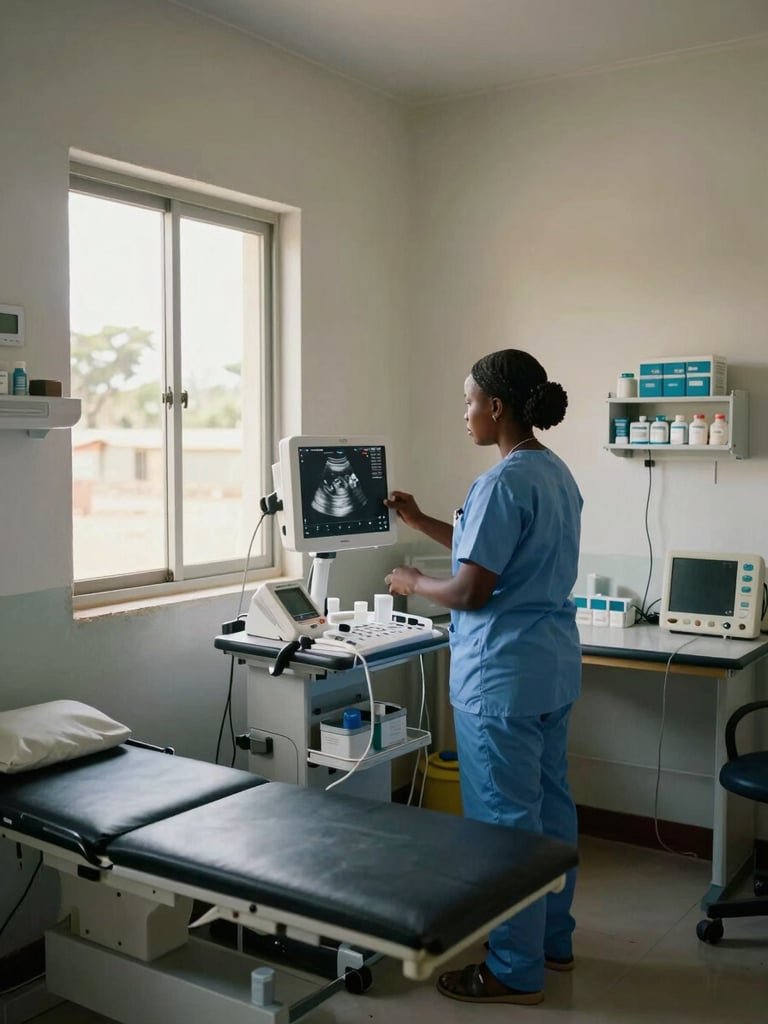
A clinic that runs after we leave.
Each H-Shape health post follows the same sequence: built to clinical specification, equipped with the minimum that makes the work possible, transferred to a nurse-entrepreneur who holds the license and the revenue.
Build. Equip. Train. Transfer.
01 — Build
Each H-Shape health post is constructed to a fixed clinical brief: the structure, the solar array, the water system. No improvisation. The building is the infrastructure, not a shelter waiting to be upgraded.
02 — Equip
The clinical minimum is non-negotiable: pulse oximeter, ultrasound, oxytocin, resuscitation kit. Every post receives the same specification. The equipment is not aspirational — it is the floor.
03 — Train
The nurse-entrepreneur trains on clinical protocol and on clinic operations simultaneously. She learns how to manage a complicated delivery and how to reconcile a monthly ledger. Both are required.
04 — Transfer
Transfer is a legal event, not a ceremony. She receives a business license, title to the equipment, and the clinic's operating account. The project manager's role ends the day the keys change hands.
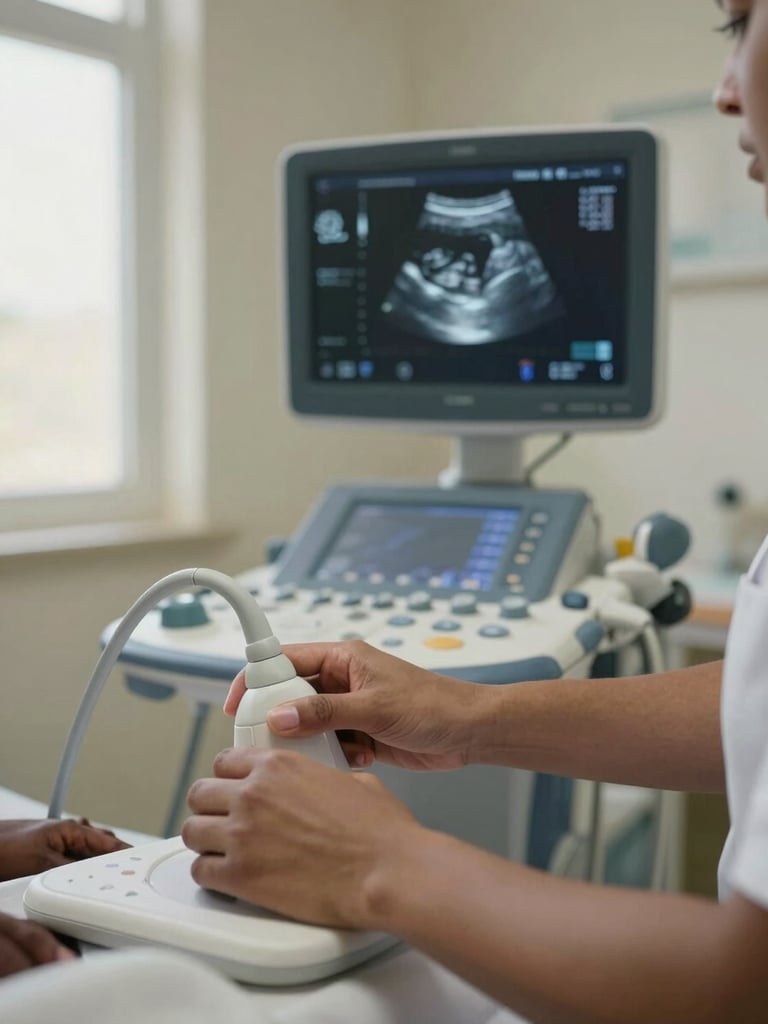
The minimum is exact, not approximate.
Pulse oximeter. Ultrasound. Oxytocin. Solar power. Each item on the equipment list was chosen because its absence makes a specific complication unsurvivable. The specification does not flex by budget cycle.
The solar array is sized to run the cold chain and the monitors through a 48-hour grid outage. The clinic outlasts the project because the design accounts for the project ending.
Local ownership. No donor renewal.
Revenue tied to outcomes breaks the cycle.
Each transferred clinic operates on the nurse-entrepreneur's own account from day one of transfer. The evidence page documents what happens next.
The nurse-entrepreneur earns income from the clinic she owns. Her revenue depends on the community using the facility — which means her income is structurally aligned with keeping mothers alive.
No donor renewal. No project extension. The mechanism that sustains the clinic is the same mechanism that sustains the community's health. That alignment is the design, not the outcome.