
Maternal Survival Is Not a Charity. It Is an Ecosystem.
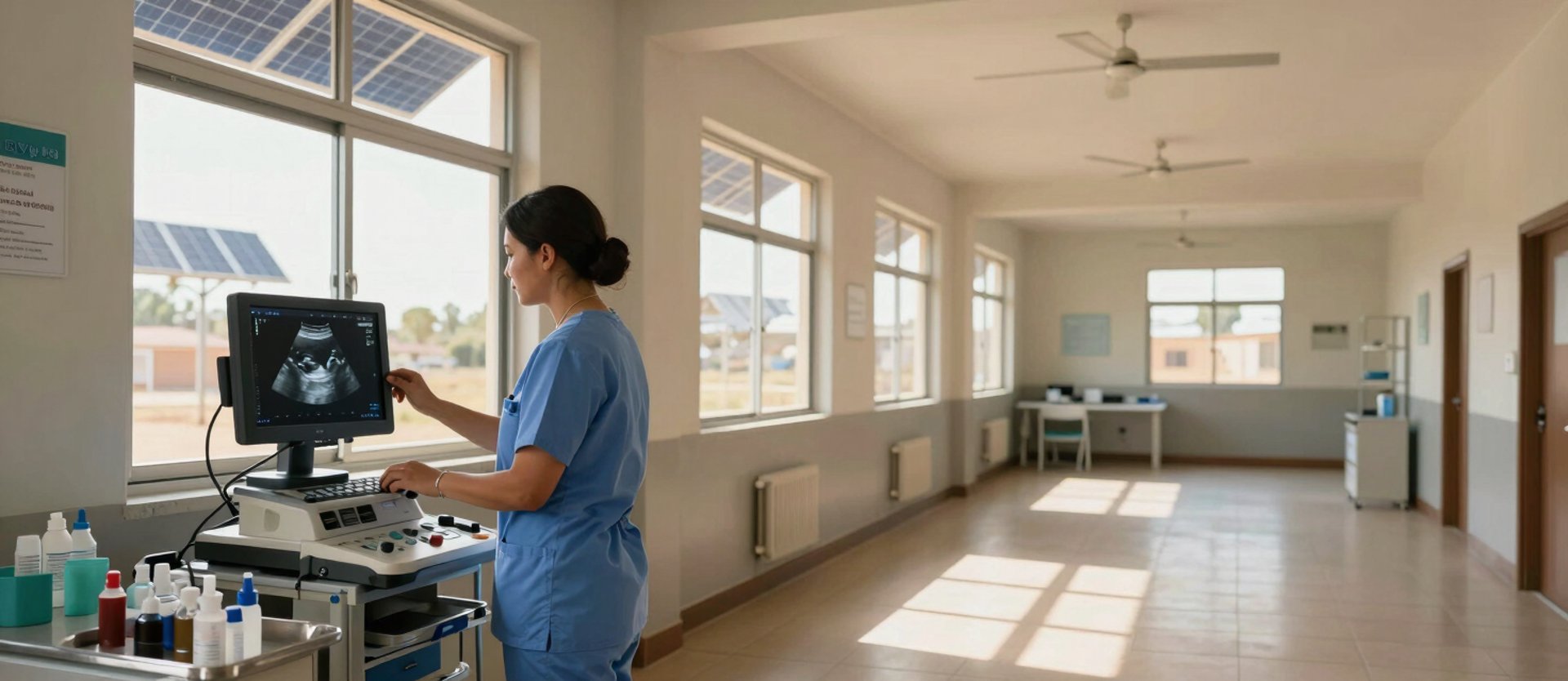
We build solar-powered H-Shape health posts, equip them with clinical technology, and hand the keys to a nurse-entrepreneur with a business license. The system stays because she owns it.
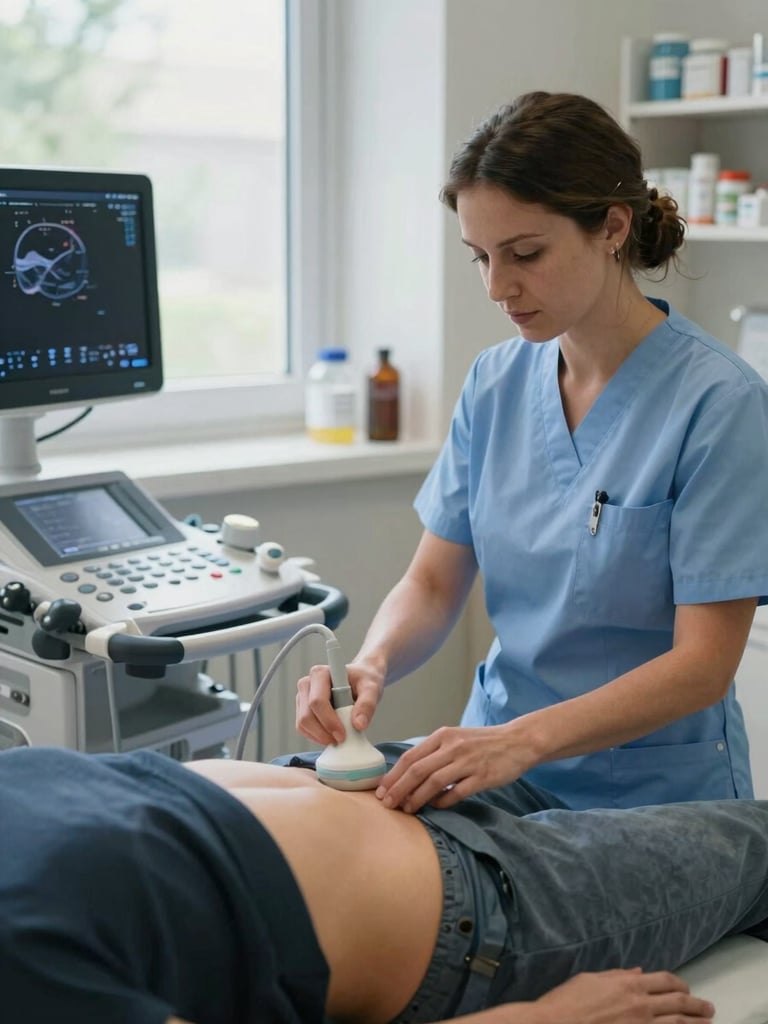
A clinic is not a gift. It is a handover.
Each H-Shape health post is a complete clinical ecosystem: solar infrastructure, ultrasound, oxytocin cold chain, and a trained local nurse-entrepreneur holding a business license — not a volunteer placement.
Solar power, clinical equipment, and the physical structure are designed to outlast every project timeline — because the solar panel does not leave when the project manager does.
A midwife with a pulse oximeter, ultrasound, and a reliable cold chain is not a luxury. It is the minimum for her to practice clinical midwifery at the standard mothers require.
The nurse-entrepreneur's revenue is tied to clinical outcomes. Self-sustaining infrastructure is not an aspiration — it is the business model from day one.
We design for the moment after we leave.
Field data, transfer case studies, and clinic outcome records from active H-Shape health posts — built by Lifeline, now operated independently by local nurse-entrepreneurs.